
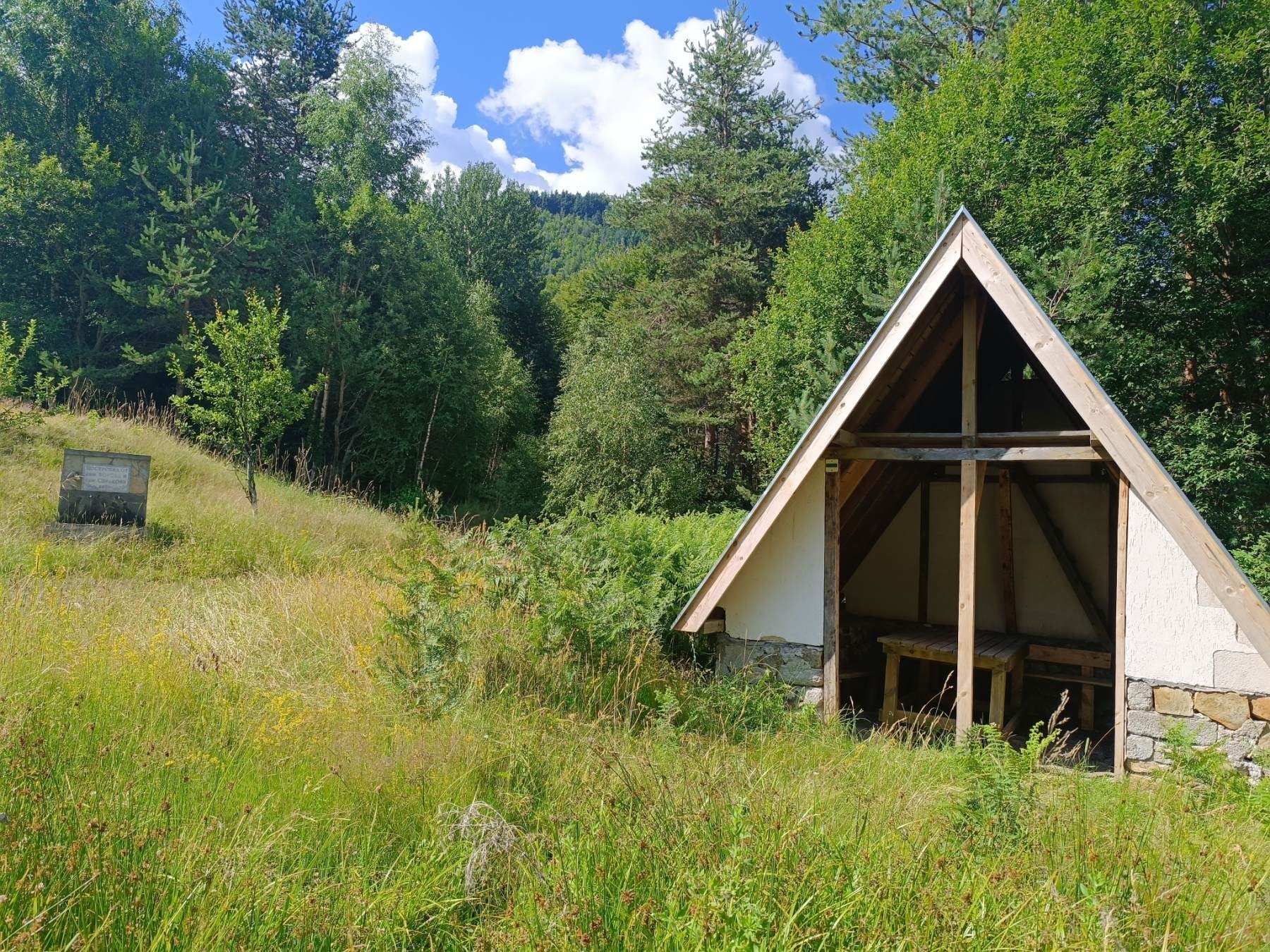
The short answer to when you should come is late spring through autumn, when the walking is at its best. The longer answer depends on what you want out of the trip, because each season in the Upper Arda valley gives you something the others cannot.
This guide walks through the year around Mogilitsa, a village at 960 m in the eastern Western Rhodopes, 26 km south of Smolyan and close to the Greek border. It is honest about the trade-offs: full rivers but changeable weather in spring, long easy days but warmer air in summer, quiet clear light in autumn, and snow-limited routes in winter. Read it, then match the season to the trip you actually want.
How to think about the seasons here
Mogilitsa sits high enough to feel the mountain year rather than the plain's. At 960 m in the Upper Arda valley, spring arrives later and autumn lasts longer than it does down in the lowlands, and the high routes above the village run on their own clock again. So the calendar below is a guide, not a timetable. Snow, rain and river levels shift the edges of each season by a week or two either way.
The best walking runs from late spring to autumn, and most visitors will want to aim somewhere in that window. Winter is not off limits, but it changes what you can do, so it needs its own plan. Whenever you come, the caves give you an all-weather option that does not care what the sky is doing.
Spring: full rivers, waterfalls and wildflowers
Spring is the season of moving water. Snowmelt fills the rivers and feeds the waterfalls, and the meadows come up thick with wildflowers. If you want the valley at its loudest and greenest, this is when to come. The Kiselchovo waterfalls day tour is at its best from mid-April to mid-July, when the falls carry the most water, so a late-spring visit lines up well with that route.
The trade-off is the weather. Spring in the high Rhodopes is changeable, with warm afternoons and cold, wet spells that can arrive without much warning. Paths are muddy where the snow has only just gone, and the highest routes may still be holding drifts into the early part of the season. Pack for rain and cold as well as sun, and ask which routes have dried out before you set a plan.
Summer: warm, long and comfortable
Summer gives you the longest, easiest days of the year. The high Rhodopes are warm in summer but stay noticeably cooler than the Bulgarian plain, so walking here is comfortable when the lowlands are baking. Long daylight means you can start early for a sunrise on The Peak viewpoint (1,351 m, with its glass floor) and still have a full day of walking ahead of you.
This is the most reliable season for the higher routes, with everything typically open and the ground dry underfoot. The Lisagora tower (1,424 m) rewards a clear summer day with its 360-degree view over 22 villages. Summer is also the busiest time, though busy here is relative: the Rhodopes stay quiet by European standards, so you are trading a little of the spring and autumn solitude for warmth and dependable conditions.
Autumn: the quietest, clearest season
For many walkers, September and October are the best months of all. They are the quietest and clearest of the year, with autumn colour spreading through the beech and spruce forests and sharp, long views from the platforms. The summer haze lifts, the light turns golden, and the crowds, such as they are, thin out further.
The source of the Arda, which rises under a century-old beech, is a fine walk in this light, and the viewpoints repay an early start with views that carry for miles. The trade-off is temperature and daylight: mornings are cold, the days are shortening, and the weather turns less settled as October goes on. Bring warm layers, plan for shorter walking windows, and enjoy having the ridges more or less to yourself.
Winter: snow, stillness and a cave for any weather
Winter runs roughly from November to March and brings snow and a deep stillness to the valley. It is a genuine option if you want quiet and cold-weather scenery, but it comes with the biggest trade-offs. Some higher routes are limited or closed once the snow settles, so this is not the season for ticking off every viewpoint. Always ask what is walkable before you plan a winter day out.
This is where the caves earn their place in the year. Nadarska Cave is an undeveloped marble cave that you enter with a guide and a headlamp, and because it is underground it makes a good all-weather option in any season, winter included. When the high routes are under snow, a guided cave visit gives you a proper mountain day that does not depend on the forecast.
Choosing your season, and a few practicalities
If you want rivers and waterfalls, come in spring. If you want warm, long, dependable days, come in summer. If you want quiet and clear autumn light, come in September or October. If you want snow and stillness, and you do not mind some routes being closed, come in winter and lean on the caves and lower walks. There is no single best month, only the best month for the trip you have in mind.
A few practical notes hold across the year. Bulgaria uses the euro. The society Krepostta - Mogilitsa, founded in 1965 and revived in 2017, runs guided walks with English-speaking guides, so you can check what is walkable on your dates and match a route to the season before you set off.
- Spring (best from mid-April): full rivers, waterfalls, wildflowers; changeable weather
- Summer: warm but cooler than the plain, long days, most routes open, busiest
- Autumn (September to October): quietest, clearest, autumn colour; cold mornings
- Winter (roughly November to March): snow and stillness; some higher routes limited or closed
- Any season: Nadarska Cave is a good all-weather option, entered with a guide and headlamp
Common questions
- What is the best time to visit the Rhodope Mountains?
- Late spring through autumn is the best time for walking. Spring brings full rivers and waterfalls, summer brings warm and long comfortable days, and September and October are the quietest and clearest months with autumn colour and sharp long views.
- Can you visit the Rhodope Mountains in winter?
- Yes, but with limits. Winter runs roughly from November to March and brings snow and stillness. Some higher routes are limited or closed, so ask what is walkable before you plan. Nadarska Cave works as an all-weather option in any season.
- When are the waterfalls at their best?
- In spring, when snowmelt fills the rivers. The Kiselchovo waterfalls day tour is at its best from mid-April to mid-July, so a late-spring visit lines up well with the highest water.
- Is summer too hot for hiking here?
- No. The high Rhodopes are warm in summer but stay noticeably cooler than the Bulgarian plain, so the walking is comfortable. Long daylight also makes summer good for early starts, such as sunrise on The Peak viewpoint at 1,351 m.
- Do I need anything special to join a guided day tour?
- Bring suitable walking shoes, layers, water, food and a raincoat. Mountain insurance is mandatory for the guided programs, and the guides can help you arrange it. Activity-specific equipment such as helmets, headlamps, boots and life jackets is provided where the program lists it as included.